Joint replacement: What to expect
Discover what to expect before, during and after joint replacement surgery
Considering joint replacement? Learn what to expect as you prepare for surgery, recover and work toward getting back to the activities that matter to you.
Is it time for joint replacement?
Joint replacement may be an option when joint pain, stiffness or limited mobility continue to interfere with daily life despite non-surgical treatment.
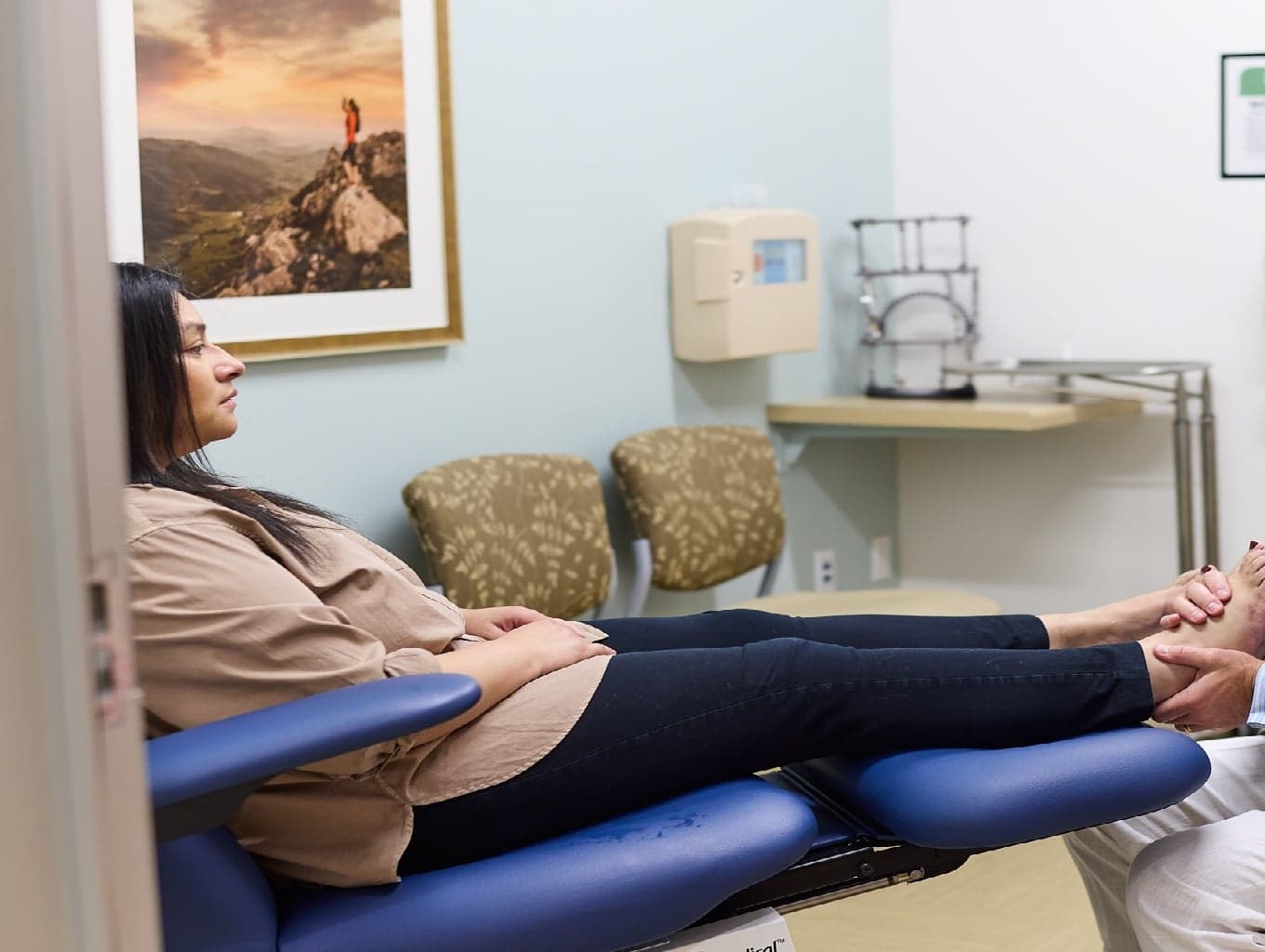
Your orthopedic specialist will review your symptoms, overall health, your imaging, and treatments you’ve already tried. They’ll also take into account how your joint problem affects your daily life.
If surgery is the next step, your care team will help you understand the procedure and prepare you for surgery and recovery.
Types of joint replacement surgery
Northbay Health offers joint replacement surgery for several joints.
Before joint replacement surgery
Before surgery, you may need imaging or lab tests, medical clearance and changes to certain medications. Northbay Health also provides pre-surgery education to help you understand your procedure, prepare for recovery and know what to expect when you go home.
Our joint replacement team advises choosing a close friend or family member to be your coach. They can support you before surgery and help as you heal at home.
You’ll also want to arrange transportation, set up any recommended equipment and plan for help with daily activities during the first part of your recovery.
What happens on surgery day?
During joint replacement surgery, your surgeon removes damaged bone and cartilage and replaces the affected parts of the joint with artificial components.
Joint replacement surgery is considered an outpatient procedure. With current techniques, patients can typically either go home on the same day of their surgery or stay overnight as an “extended outpatient.” About half of our joint replacement patients go home the same day as their surgery. Most others stay in the hospital one night. Less than 3% of patients may need to stay more than one night.
What to expect during joint replacement recovery
Right after surgery
You’ll start moving as soon as your care team says it’s safe.
Before you leave the hospital or surgery center, you’ll receive instructions for managing pain, caring for your joint, staying active and preparing for follow-up care.
Rehabilitation
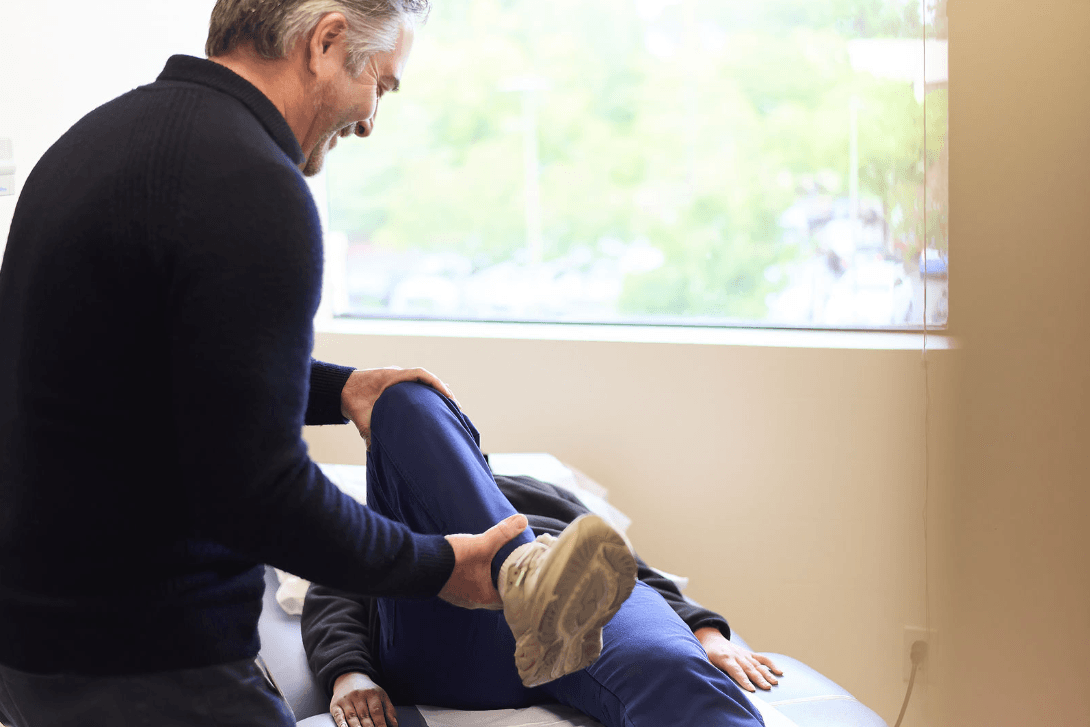
Physical therapy is a crucial part of recovery after joint replacement.
Your rehab plan will focus on restoring movement, strength and function.
Depending on the joint replaced, occupational therapy may also help you safely return to your daily activities.
Getting back to everyday life
You’ll slowly increase your activity level as you heal.
When you can drive, return to work, exercise and resume other activities depends on the joint replaced, your procedure and your progress. Your surgeon and rehab team will guide you and let you know when it’s safe to resume each activity.
Meet your joint replacement care team
View providers specializing in orthopedics in Fairfield, Vacaville and Napa.

Andrew Brooks, MD
Joint Replacement, Orthopedics, Sports Medicine

Michael Caravelli, MD
Joint Replacement, Orthopedics
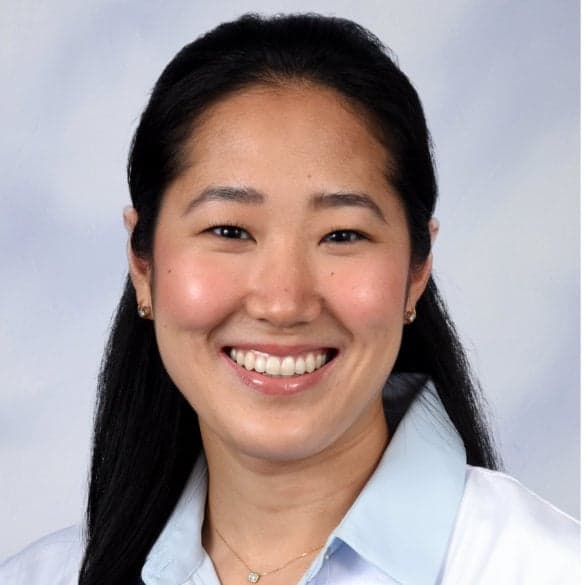
Danielle Lee, DPM
Podiatry, Foot & Ankle Surgery, Joint Replacement, Orthopedics

Kevin Miller, DPM
Podiatry, Foot & Ankle Surgery, Joint Replacement, Wound Care, Orthopedics

Robert Peterson, MD
Orthopedics, Sports Medicine, Shoulder Surgery, Joint Replacement
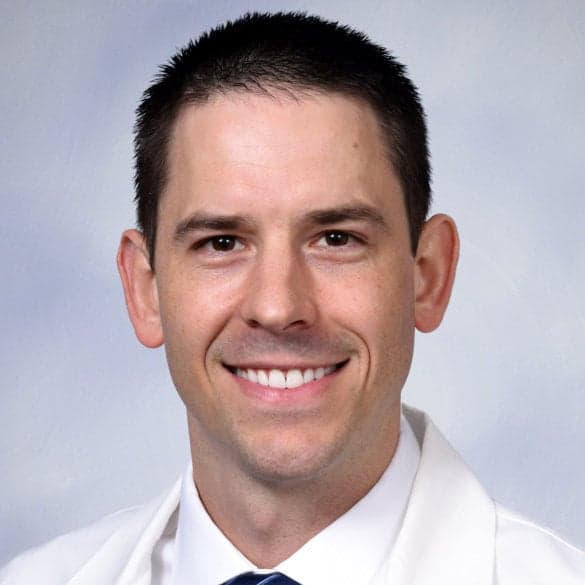
Austin Vonasek, DPM
Orthopedics, Sports Medicine, Foot & Ankle Surgery, Podiatry
Orthopedic locations near you

Northbay Health Orthopedics & Podiatry – Fairfield
2500 Hilborn Road, Fairfield, CA 94534 | 707-646-5599

Northbay Health Orthopedics & Podiatry – Vacaville
1010 Nut Tree Road, Suite 200, Vacaville, CA 95687 | 707-624-7900
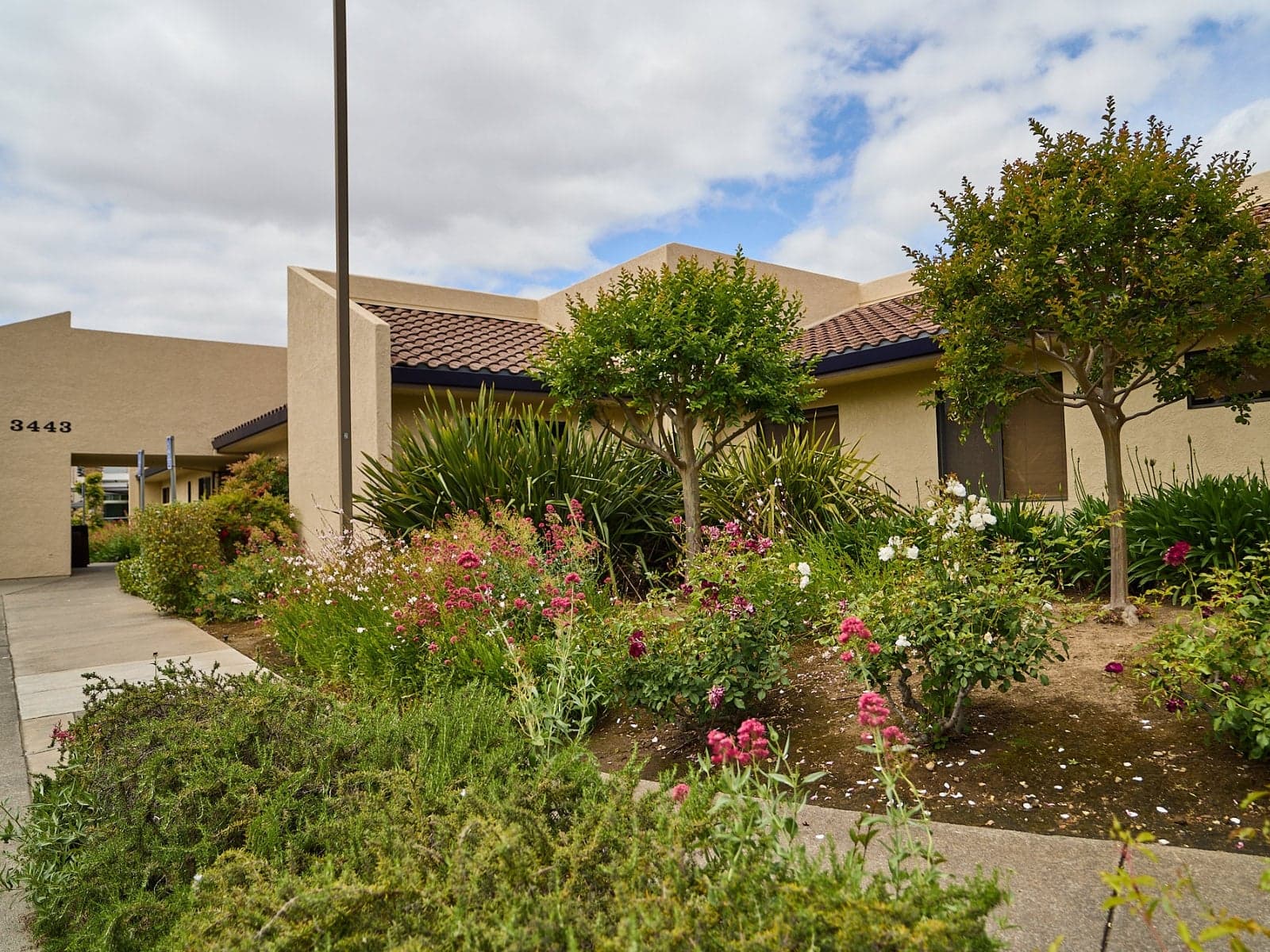
Northbay Health Podiatry – Napa
3443 Villa Lane, Suite 5, Napa, CA 94558 | 707-646-5599