
Shoulder pain can limit your ability to lift, reach, sleep comfortably and stay active. NorthBay Health offers personalized shoulder replacement care from diagnosis through recovery, helping you reduce pain, restore movement and return to the activities you enjoy.
What Is Shoulder Replacement Surgery?
Shoulder replacement surgery (also called shoulder arthroplasty) is a procedure used to treat severe shoulder pain and loss of mobility caused by joint damage. This damage is often the result of arthritis, injury or long-term wear and tear.
During surgery, damaged portions of the shoulder joint are removed and replaced with artificial components designed to move smoothly and reduce pain. The goal is to restore function, improve range of motion, and help you return to everyday activities with greater comfort.
For many patients, shoulder replacement can make it easier to lift, reach, sleep comfortably and stay active.
Find a NorthBay Health orthopedic surgeonSigns You May Need Shoulder Replacement
If shoulder pain is affecting your daily life, it may be time to speak with an orthopedic specialist.
Common signs include:
- Persistent shoulder pain during activity or at rest
- Limited range of motion or stiffness
- Difficulty lifting or reaching overhead
- Pain that disrupts sleep
- Weakness or instability in the shoulder
- Symptoms that do not improve with medication, injections or physical therapy
NorthBay Health specialists can evaluate your symptoms and recommend the treatment option that best fits your needs.
Why Choose NorthBay Health for Shoulder Replacement
NorthBay Health provides comprehensive orthopedic care from diagnosis to recovery, with treatment plans tailored to your needs and goals. Patients choose NorthBay Health for shoulder replacement because of our commitment to personalized care, advanced techniques and coordinated recovery support.
- Trusted Local Orthopedic Specialists Helping Restore Strength and Movement. You receive care from experienced specialists who focus on helping you move comfortably again, so you can return to daily routines, hobbies and activities without ongoing pain or limitations, without needing to travel far from home.
- Personalized Treatment Plans Based on Your Lifestyle, Goals and Condition. Your care is tailored to how you live and what matters most to you, whether that’s staying active, returning to work or simply moving without pain — so your treatment plan supports the outcomes that are most meaningful in your life.
- Advanced Surgical Techniques, Including Minimally Invasive Approaches When Appropriate. When possible, your surgeon may use techniques designed to reduce tissue disruption, which can help minimize pain after surgery, reduce scarring and support a smoother, more comfortable recovery.
- Precision-Focused Surgical Planning to Support Long-Term Joint Function. Your procedure is carefully planned using detailed imaging and a personalized approach, helping ensure accurate implant placement and joint alignment so your new shoulder feels stable, functions well, and lasts as long as possible.
- Experienced Surgeons and Dedicated Care Teams Guiding You Every Step of the Way. You’re supported by a team that performs orthopedic procedures regularly and understands what it takes to achieve strong outcomes so you can feel confident in your care from your first visit through recovery.
- One-on-One Physical Therapy to Support Strength, Mobility and Confidence. After surgery, you’ll work closely with a physical therapist who focuses on your progress, helping you safely rebuild strength and movement so you can regain independence and return to activity with confidence.
Types of Shoulder Replacement Surgery
NorthBay Health offers shoulder replacement procedures designed to relieve pain, restore mobility and improve long-term joint function. Your orthopedic specialist will recommend the approach that best fits your condition and recovery goals.
Total Shoulder Replacement
Total shoulder replacement is the most common type of shoulder replacement procedure. It involves replacing both parts of the shoulder joint: the ball (humeral head) and the socket (glenoid).
During the procedure, the damaged ball is replaced with a metal component, and the socket is fitted with a smooth plastic surface. This allows the joint to move more easily and reduces pain caused by friction and inflammation.
Total shoulder replacement is often recommended for patients with advanced arthritis who still have an intact rotator cuff.
Reverse Shoulder Replacement
Reverse shoulder replacement is a specialized procedure used when the rotator cuff is severely damaged or no longer functioning properly.
In this approach, the natural structure of the shoulder joint is reversed — the ball and socket are switched. This allows other muscles, such as the deltoid, to take over the work of lifting and moving the arm.
Reverse shoulder replacement can help improve stability, restore movement and reduce pain for patients who may not benefit from a traditional shoulder replacement.
Find a NorthBay Health shoulder replacement specialistAdvanced Technology & Surgical Approach
NorthBay Health uses advanced techniques and personalized surgical planning to support better outcomes, improved mobility and a smoother recovery experience.
Minimally Invasive Shoulder Surgery
When appropriate, minimally invasive techniques may be used to perform shoulder replacement surgery. These approaches use smaller incisions and are designed to reduce disruption to surrounding tissue.
Potential benefits may include:
- Less postoperative pain
- Reduced scarring
- Shorter hospital stays
- Faster return to daily activities
Precision-Based Surgical Planning
Every shoulder is different. NorthBay Health specialists use detailed imaging and personalized planning to guide each procedure.
This approach helps:
- Improve implant positioning
- Support joint alignment and stability
- Enhance long-term function and durability
- Tailor the procedure to your anatomy and movement goals
What to Expect
NorthBay Health supports you through every stage of shoulder replacement care, from your first consultation through recovery and rehabilitation.
Your care begins with a comprehensive evaluation, including imaging, a review of your medical history, and a discussion of your symptoms, lifestyle and goals. Your orthopedic specialist will determine whether shoulder replacement is the right option or if other treatments should be considered first.
If surgery is recommended, your care team will walk you through each step of the process. This typically includes pre-surgical testing, medication instructions and guidance on preparing your home for recovery. You may also meet with members of your care team to review what to expect on the day of surgery and during recovery, helping you feel informed and prepared.
On the day of surgery, you will be checked in and prepared by your care team, who will review your plan and answer any last-minute questions. Anesthesia will be administered to keep you comfortable throughout the procedure.
During surgery, your orthopedic surgeon removes the damaged portions of the shoulder joint and replaces them with artificial components designed to restore smooth, stable movement. The procedure typically takes a few hours, depending on your specific condition and surgical approach.
Your care team will monitor you closely throughout the procedure to support your safety and comfort from start to finish.
After surgery, you will spend time in a recovery area where your care team monitors you as the anesthesia wears off. Most patients spend a short stay in the hospital or surgical center, depending on their needs and overall health.
Your shoulder will be supported in a sling, and your care team will help you manage discomfort with appropriate medications. In many cases, you will begin gentle movement or guided exercises soon after surgery to support circulation and prevent stiffness.
Before you leave, your care team will provide clear instructions on caring for your shoulder, managing pain and safely beginning your recovery at home.
Shoulder Replacement Recovery
Recovery timelines vary based on your overall health, the type of procedure performed and your activity goals. In the first few weeks, your focus will be on protecting the joint, managing discomfort and gradually increasing movement.
Physical therapy is an important part of recovery and often begins shortly after surgery. Your therapist will guide you through exercises designed to improve flexibility, build strength and restore range of motion over time.
Many patients begin returning to light daily activities within a few weeks, with continued improvement over several months. Your care team will monitor your progress and adjust your recovery plan to help you safely return to the activities you enjoy.
Learn more about orthopedic support services offered at NorthBay Health.
Benefits of Shoulder Replacement Surgery
Shoulder replacement surgery may help improve your quality of life by:
- Reducing or eliminating chronic shoulder pain
- Restoring range of motion and flexibility
- Improving strength and joint stability
- Supporting better sleep and daily comfort
- Helping you return to hobbies, exercise, and everyday activities
“When I first fell, I was unable to lift my arm above my shoulder. I had my appointment [with NorthBay Health], and about a week later I had my surgery. After [surgery], everything was so much better.”
— Joey Turner, NorthBay Health Orthopedic Surgery patient
Risks and Considerations
As with any surgical procedure, shoulder replacement carries some risks. Your orthopedic specialist will review these with you and help you make an informed decision.
Potential risks may include:
- Infection
- Blood clots
- Joint stiffness or limited motion
- Implant wear or loosening over time
- Nerve or blood vessel injury (rare)
Your care team will take steps to reduce these risks and support a safe recovery.
Shoulder Replacement Surgery FAQs
Surgery times vary based on the procedure and your individual needs, but many shoulder replacement surgeries are completed within a few hours. Your surgeon will explain what to expect based on your treatment plan.
Many patients begin to resume daily activities within several weeks, with continued improvement over several months. Recovery timelines depend on your overall health, procedure type and commitment to rehabilitation.
Yes. Physical therapy is an important part of recovery and helps improve strength, mobility and overall shoulder function. Your care team will guide you through a personalized therapy plan.
Total shoulder replacement maintains the natural structure of the joint and is typically used when the rotator cuff is intact. Reverse shoulder replacement changes the joint mechanics and is often recommended when the rotator cuff is severely damaged.
Modern shoulder implants are designed for long-term durability. Your surgeon can discuss expectations based on your age, activity level and overall health.
If shoulder pain is limiting your daily activities and has not improved with nonsurgical treatments, you may be a candidate. A NorthBay Health specialist can evaluate your condition and recommend the best next step.
Get Back to the Activities You Enjoy
Reduce shoulder pain and improve mobility with expert care at NorthBay Health. Our orthopedic specialists provide personalized treatment and coordinated support to help you restore strength, movement and confidence.
Find a doctor or request an appointment by filling out the form below.
Find the best doctor for you.
View providers specializing in joint replacement orthopedics in Vacaville.

Joint Replacement,Orthopedics,Sports Medicine

Joint Replacement,Orthopedics
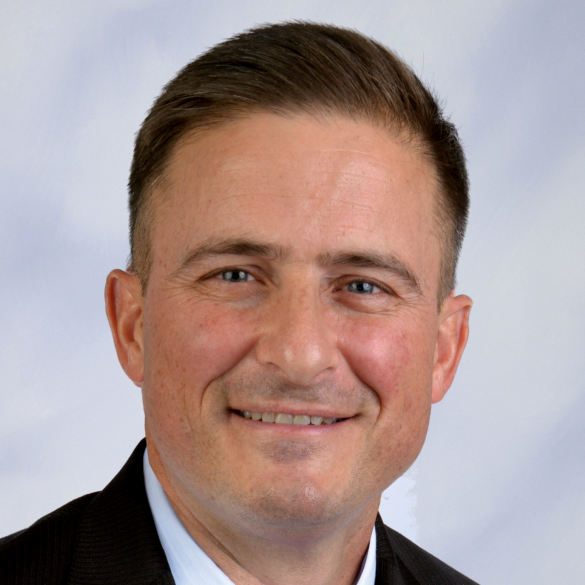
Podiatry,Foot & Ankle Surgery,Joint Replacement,Wound Care,Orthopedics

Orthopedics,Sports Medicine,Shoulder Surgery,Joint Replacement
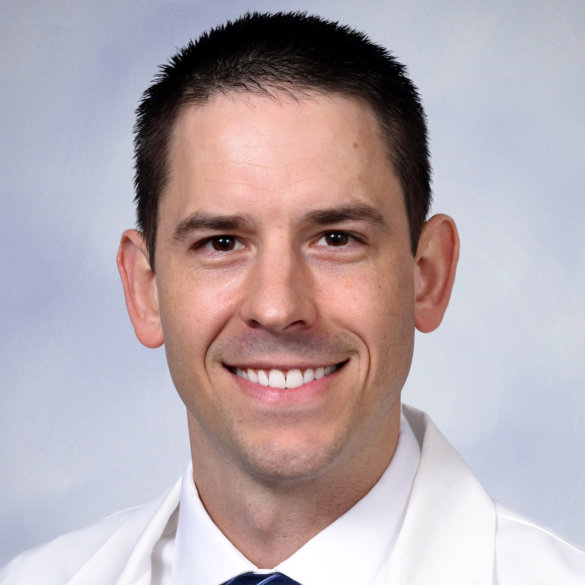
Orthopedics,Sports Medicine,Foot & Ankle Surgery,Podiatry
   |